
The Ultimate Guide to Building Your Dream Home Theater System
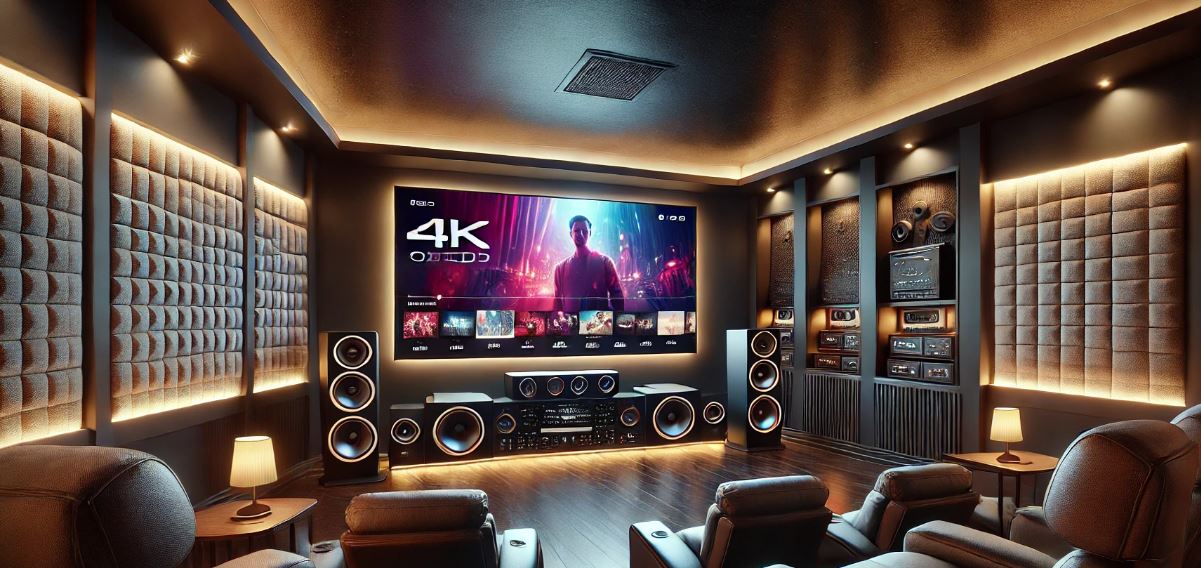
Table of Contents
- Introduction
- Choosing the Perfect Home Theater TV
- Essential Media Sources for Your Home Theater Systems
- Creating the Ideal Viewing Environment
- Selecting the Right Accessories for Enhanced Performance
- Conclusion
Introduction
In today's fast-paced world, the allure of creating a personalized home theater system is more enticing than ever. With the advent of cutting-edge technology, transforming your living room into a cinematic sanctuary has never been easier. Whether you're a movie buff, a sports fanatic, or a gaming enthusiast, a well-designed home theater system can elevate your entertainment experience to new heights. This guide will walk you through everything you need to know to build the ultimate home theater system, from choosing the best home theater TVs and electronics to selecting the perfect accessories.
Why Invest in a Home Theater System?
Investing in a home theater system is more than just buying a big screen and some speakers; it's about creating an immersive experience that can rival your local cinema. Here are a few reasons why you should consider building a home theater system:
- Unmatched Viewing Experience: With the latest advancements in display technology, modern home theater TVs offer stunning picture quality with vibrant colors, deep blacks, and exceptional clarity.
- Superior Sound Quality: High-quality audio systems can replicate the surround sound experience of a movie theater, making you feel like you're part of the action.
- Convenience and Comfort: Enjoy your favorite movies, shows, and games from the comfort of your home without the hassle of crowds, expensive tickets, or noisy distractions.
- Personalization: Customize your home theater setup to match your preferences and style, from seating arrangements to acoustic treatments and beyond.
- Added Value to Your Home: A well-designed home theater can increase the resale value of your property, making it a worthwhile investment.
Key Components of a Home Theater System
Building a home theater system involves several key components, each contributing to the overall experience. Let's dive into the essential elements you'll need:
- Home Theater TV: The centerpiece of your home theater, choosing the right TV is crucial. Consider factors such as screen size, resolution, display technology (OLED, QLED, LED), and smart features.
- Sound System: An exceptional audio experience is vital. Options include soundbars, multi-channel speaker systems, and advanced surround sound setups.
- Media Source: Whether you prefer streaming services, Blu-ray players, or gaming consoles, ensure you have the right media sources to enjoy your favorite content.
- Seating: Comfort is key. Opt for recliners, sofas, or even custom theater seating to enhance your viewing experience.
- Accessories: From universal remotes and surge protectors to ambient lighting and acoustic panels, the right accessories can make a significant difference.
Stay tuned as we delve deeper into each component, offering expert tips and recommendations to help you create the perfect home theater system. Whether you're starting from scratch or upgrading your existing setup, this guide will provide you with all the insights you need to make informed decisions.
Choosing the Perfect Home Theater TV
Selecting the right TV for your home theater is a critical decision that sets the foundation for your entire setup. The market is flooded with options, each boasting unique features and technologies designed to enhance your viewing experience. When choosing a home theater TV, consider factors such as screen size, resolution, display technology, and smart features.
Firstly, screen size is paramount. The general rule of thumb is that the larger the screen, the more immersive the experience. However, the ideal size depends on the viewing distance and the size of your room. For instance, a 65-inch TV might be perfect for a medium-sized room, offering a cinematic feel without overwhelming the space. Conversely, if you have a larger room or a dedicated home theater space, an 85-inch or even a 100-inch TV could be a fantastic investment, providing a truly immersive experience. Resolution is another crucial factor. While 1080p Full HD was the gold standard for years, 4K Ultra HD has become the new norm, offering four times the resolution of 1080p. This higher resolution translates to sharper, more detailed images, making it perfect for large screens where pixel density matters. Moreover, with the increasing availability of 4K content on streaming platforms and Blu-ray, upgrading to a 4K TV is a future-proof decision. For those seeking the pinnacle of visual fidelity, 8K TVs are also entering the market, though they come at a premium price and the content availability is still limited.
Display technology plays a significant role in picture quality. OLED TVs are highly regarded for their superior contrast ratios, deep blacks, and vibrant colors, thanks to each pixel being individually lit. This technology eliminates the backlight bleeding common in traditional LED TVs, resulting in a more true-to-life image. On the other hand, QLED TVs, developed by Samsung, use quantum dots to enhance brightness and color accuracy, making them ideal for bright rooms. Each technology has its pros and cons, and the choice ultimately depends on your viewing environment and personal preferences.
Smart features are now a staple in modern TVs, providing access to a plethora of streaming services, apps, and voice assistants. These features make it easy to stream content from Netflix, Amazon Prime, Disney+, and other services without needing additional devices. Some smart TVs also offer advanced features like voice control, smart home integration, and personalized recommendations, enhancing convenience and user experience.
Enhancing Audio Quality with the Right Sound System
While the visual component is vital, sound quality is equally important in creating an immersive home theater experience. The right sound system can transform your viewing experience, making you feel like you’re in the middle of the action. There are various audio solutions available, from soundbars to multi-channel surround sound systems, each catering to different needs and budgets.
Soundbars are a popular choice for their simplicity and space-saving design. They provide a significant upgrade over built-in TV speakers, delivering clearer dialogue and more dynamic sound. Many modern soundbars come with wireless subwoofers and support for surround sound formats like Dolby Atmos, which adds an overhead dimension to the sound, creating a more immersive experience.
For those seeking a true cinematic experience, a multi-channel surround sound system is the way to go. These systems typically consist of a receiver and multiple speakers placed strategically around the room. A 5.1 system, which includes five speakers and a subwoofer, is a common configuration, offering a balanced and enveloping sound. For an even more immersive experience, consider a 7.1 or 9.1 system, which adds additional speakers for more precise sound placement. Setting up a surround sound system requires careful planning and possibly professional installation, but the result is unparalleled audio quality that brings movies, music, and games to life. As you delve deeper into creating your dream home theater system, remember that both visual and audio components are crucial for an immersive experience. Balancing these elements will ensure that your home theater is a source of endless entertainment and joy for years to come.
Essential Media Sources for Your Home Theater System
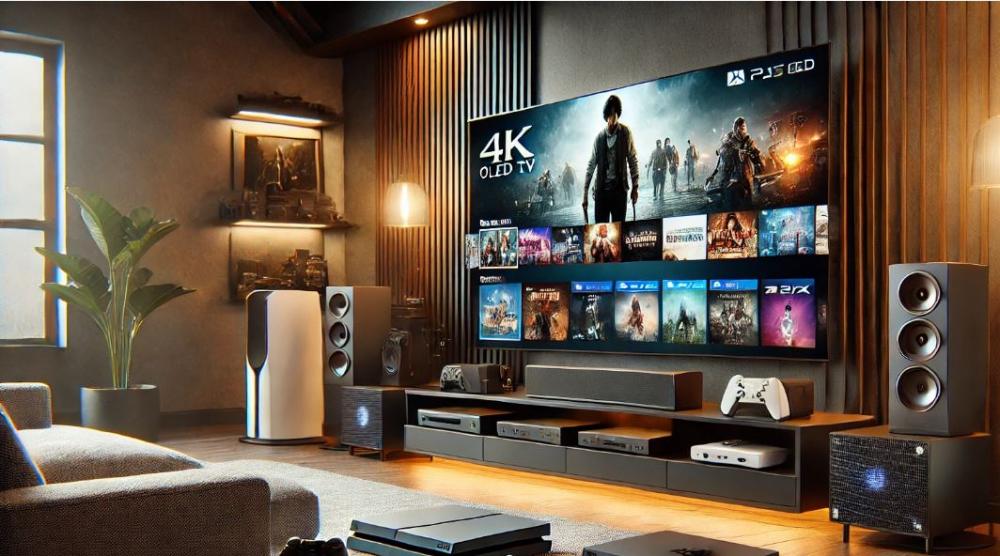
To fully enjoy your home theater system, you'll need to choose the right media sources that cater to your viewing habits and preferences. Here's a breakdown of the most popular options:
1. Streaming Services:
- Netflix: Known for its vast library of movies, TV shows, and original content.
- Amazon Prime Video: Offers a wide range of films and series, along with exclusive Amazon Originals.
- Disney+: Perfect for families, featuring content from Disney, Pixar, Marvel, Star Wars, and National Geographic.
- Hulu: Great for catching up on current TV shows and exploring a variety of films and series.
- HBO Max: Home to HBO’s extensive library, along with additional movies and shows.
2. Blu-ray Players:
- 4K Ultra HD Blu-ray Players: Provide the highest quality video and audio experience. Look for players that support HDR10, Dolby Vision, and Dolby Atmos for the best performance.
- Standard Blu-ray Players: Still offer excellent quality and are more affordable than 4K players.
3. Gaming Consoles:
- PlayStation 5: Not only a powerhouse for gaming but also supports 4K Blu-ray discs and streaming services.
- Xbox Series X: Similar to the PS5 in terms of gaming and media capabilities, including 4K Blu-ray playback and streaming.
4. Media Servers and PCs:
- NVIDIA Shield TV: A versatile media player that supports 4K HDR streaming, gaming, and can function as a Plex server.
- Home Theater PCs (HTPCs): Custom-built PCs designed for media consumption, offering flexibility and high performance for various media formats.
Optimizing Your Home Theater Seating
The comfort of your seating arrangement can significantly impact your home theater experience. Here are some key considerations for selecting the perfect seating:
- Recliners: Provide maximum comfort and can be adjusted to your preferred position. Look for features such as motorized recline, built-in cup holders, and USB charging ports.
- Sofas: Ideal for accommodating multiple viewers. Sectional sofas offer flexibility in arrangement and often come with built-in recliners.
- Custom Theater Seating: Designed specifically for home theaters, these seats often feature premium materials, ergonomic design, and additional amenities like built-in speakers and ambient lighting.
Seating Arrangement Tips:
- Viewing Distance: Ensure that the distance between your seats and the TV screen is optimal for the screen size. A general rule is to place seats at a distance of about 1.5 to 2.5 times the diagonal screen size.
- Screen Height: Position your screen so that the center is at eye level when you’re seated. This minimizes neck strain and provides a more comfortable viewing experience.
- Acoustic Considerations: Arrange seats to avoid placing them too close to walls, which can cause sound reflections and negatively impact audio quality.
Must-Have Accessories for a Complete Home Theater Setup
The right accessories can enhance your home theater system's functionality and convenience. Here are some must-have items:
- Universal Remote Controls:
- Simplify control of multiple devices with a single remote.
- Look for remotes that offer customizable buttons, touchscreens, and smart home integration.
- Surge Protectors:
- Protect your expensive equipment from power surges and spikes.
- Choose models with multiple outlets and USB ports for added convenience.
- Ambient Lighting:
- Enhance the viewing experience and reduce eye strain with LED strip lights behind your TV or along the walls.
- Smart lighting systems can be synchronized with your content for dynamic lighting effects.
- Acoustic Panels:
- Improve sound quality by reducing echoes and absorbing unwanted noise.
- Available in various designs to match your room’s décor.
- Media Storage Solutions:
- Keep your Blu-ray discs, games, and accessories organized with dedicated storage units or media cabinets.
- Consider wall-mounted shelves or cabinets for a sleek, space-saving solution.
- Cables and Cable Management:
- High-quality HDMI cables ensure the best picture and sound quality.
- Use cable management solutions like cable ties, conduits, or raceways to keep your setup tidy and clutter-free.
By carefully selecting and optimizing these components, you can create a home theater system that delivers an unparalleled entertainment experience, combining the latest technology with personal comfort and style.
Creating the Ideal Viewing Environment
Achieving the perfect home theater experience goes beyond just having the right equipment; it's also about creating an environment that enhances the overall experience. The room's layout, lighting, acoustics, and even the color of the walls can significantly impact your viewing pleasure.
Firstly, consider the layout of your room. The position of your TV and seating should be optimized to provide the best viewing angles and distances. Placing the TV at eye level when seated is crucial to prevent neck strain and ensure a comfortable viewing experience. Additionally, the seating arrangement should be such that all viewers have an unobstructed view of the screen. This might involve positioning seats in a slight arc or using tiered seating in larger rooms. Lighting plays a vital role in creating an immersive home theater experience. Ideally, your room should be as dark as possible when watching movies to mimic the conditions of a commercial cinema. This can be achieved by using blackout curtains or shades to block out external light sources. Additionally, consider installing dimmable lights that can be adjusted to create the perfect ambiance. LED strip lights behind the TV or along the walls can add a subtle glow that reduces eye strain without interfering with the picture quality.
Acoustics are another critical aspect to consider. Hard surfaces like walls, floors, and ceilings can cause sound reflections that negatively impact audio quality. To counter this, consider adding soft furnishings like carpets, curtains, and upholstered furniture that can absorb sound and reduce echoes. Acoustic panels are also an effective solution for improving sound quality. These panels can be strategically placed on walls and ceilings to minimize reflections and create a more balanced and immersive audio environment.
The color of your room's walls can also affect your viewing experience. Darker colors are generally preferred for home theater rooms as they absorb light rather than reflecting it, reducing glare and enhancing contrast on the screen. Matte finishes are particularly effective as they minimize light reflections, allowing you to focus on the screen without distractions.
Integrating Smart Home Technology
Incorporating smart home technology into your home theater system can enhance convenience and create a more seamless and immersive experience. Smart devices like voice assistants, smart lighting, and automated systems can be integrated to provide effortless control over your home theater environment.
Voice assistants such as Amazon Alexa, Google Assistant, or Apple's Siri can be used to control various aspects of your home theater setup. With simple voice commands, you can turn on your TV, adjust the volume, change the lighting, or even start a movie. This hands-free control adds a level of convenience that traditional remote controls can't match.
Smart lighting systems can be synchronized with your home theater components to create dynamic lighting effects that enhance the viewing experience. For instance, Philips Hue lights can be set to dim automatically when you start a movie or change colors based on the content on the screen. This not only adds to the ambiance but also reduces the need for manual adjustments, allowing you to stay immersed in your viewing experience. Automated systems can further enhance the convenience of your home theater. Motorized shades can be programmed to close when you start a movie, creating a darkened room without any manual effort. Similarly, smart thermostats can adjust the temperature to ensure your viewing environment is always comfortable. These automated systems can be controlled via a central hub or app, allowing you to customize and optimize your home theater environment with ease.
Future-Proofing Your Home Theater
As technology continues to evolve, future-proofing your home theater system ensures that it remains relevant and capable of delivering a high-quality experience for years to come. This involves selecting components that support the latest standards and technologies, as well as considering potential upgrades down the line. When choosing a TV, look for models that support emerging technologies such as 8K resolution and advanced HDR formats like Dolby Vision and HDR10+. Although 8K content is currently limited, investing in an 8K TV can be a forward-thinking decision as more content becomes available in the coming years. Additionally, ensure that your TV has multiple HDMI 2.1 ports, which support higher bandwidth for future devices and technologies.
Audio systems should also be selected with future advancements in mind. Consider investing in a receiver that supports the latest surround sound formats and has ample input and output options for expanding your system. Wireless speaker technology is another area to consider, as it allows for easier upgrades and flexibility in speaker placement without the need for extensive wiring. Regularly updating your streaming devices and software is also crucial for maintaining a future-proof home theater system. Streaming platforms continuously update their apps to support new features and improve performance. Ensuring that your devices are compatible with these updates will allow you to take full advantage of the latest streaming capabilities.
By considering these factors and planning for future advancements, you can create a home theater system that not only meets your current needs but also adapts to new technologies and trends, providing a high-quality entertainment experience for years to come.
Selecting the Right Accessories for Enhanced Performance
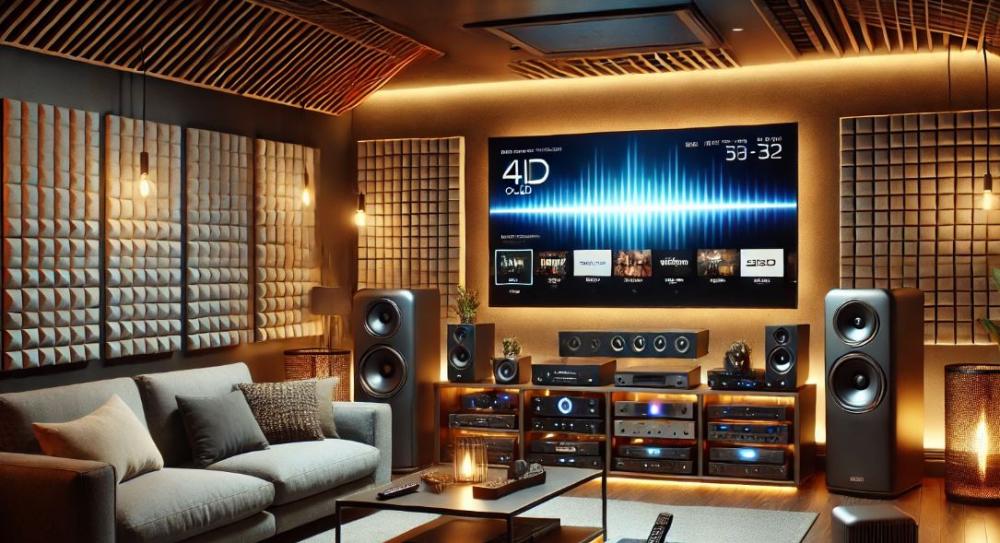
To fully realize the potential of your home theater system, investing in the right accessories is essential. These add-ons can significantly improve both functionality and performance, ensuring an optimal entertainment experience.
One crucial accessory is a universal remote control. Managing multiple devices with individual remotes can be cumbersome. A universal remote streamlines this process, allowing you to control your TV, sound system, Blu-ray player, and streaming devices from a single interface. Many modern universal remotes offer advanced features like touchscreen displays, voice control, and smart home integration, making it easier to manage your entertainment setup. Investing in a high-quality universal remote can simplify your home theater experience and reduce the clutter of multiple remotes. Surge protectors are another vital accessory. They protect your expensive electronics from power surges and electrical spikes, which can damage your equipment. Opt for surge protectors with multiple outlets and USB ports to accommodate all your devices. Some models also offer advanced features like energy monitoring and remote control, adding an extra layer of convenience and protection to your setup.
Enhancing Sound Quality with Acoustic Treatments
While choosing the right audio system is crucial, enhancing sound quality often requires additional acoustic treatments. These treatments help to control sound reflections, echoes, and reverberations, creating a more balanced and immersive audio environment.
Acoustic panels are one of the most effective solutions for improving sound quality. These panels are designed to absorb sound waves, reducing echoes and minimizing unwanted noise. Placing acoustic panels on the walls and ceiling of your home theater room can significantly enhance the clarity and detail of your audio. Bass traps are another useful addition, particularly for handling low-frequency sounds that can cause muddiness. These traps can be placed in the corners of the room to absorb excess bass, resulting in cleaner and more precise audio.
In addition to acoustic panels and bass traps, consider using rugs, curtains, and upholstered furniture to further control sound reflections. These soft furnishings can absorb sound waves, reducing the harshness and improving overall sound quality. By strategically placing these items around your home theater room, you can create an acoustically balanced environment that enhances your audio experience.
Key Considerations for Upgrading Your Home Theater
As technology evolves, it’s important to stay current with the latest advancements to ensure your home theater system remains up-to-date. Upgrading your home theater can involve several key considerations, from replacing outdated equipment to integrating new technologies.
1. TV Upgrades:
- Consider upgrading to a higher resolution TV, such as 4K or 8K, for sharper and more detailed images.
- Look for TVs that support advanced HDR formats like Dolby Vision and HDR10+ to enhance color and contrast.
- Ensure your TV has multiple HDMI 2.1 ports to accommodate future devices and technologies.
2. Audio System Enhancements:
- Upgrade to a more advanced sound system, such as a Dolby Atmos setup, for a more immersive audio experience.
- Consider adding additional speakers or subwoofers to enhance sound quality and coverage.
- Invest in wireless speakers for greater flexibility in placement and easier integration with other devices.
3. Streaming and Media Devices:
- Upgrade to the latest streaming devices to take advantage of new features and improved performance.
- Ensure your media players and gaming consoles support 4K or higher resolutions and advanced audio formats.
- Regularly update the software on your streaming devices to access the latest features and content.
In addition to these upgrades, consider integrating smart home technology to enhance convenience and control. Smart lighting, motorized shades, and voice assistants can all be integrated into your home theater system, allowing you to customize your viewing environment with ease. By staying current with the latest advancements and regularly upgrading your equipment, you can ensure your home theater system continues to deliver a top-notch entertainment experience.
Balancing Budget and Quality
Creating a high-quality home theater system doesn’t have to break the bank. It’s possible to achieve a great setup by balancing budget and quality, focusing on key components and making strategic upgrades over time. Start with essential items like a reliable TV and sound system, and gradually add accessories and enhancements as your budget allows. By prioritizing key features and investing in quality products, you can build a home theater system that offers exceptional performance and lasting value.
In conclusion, building a home theater system involves careful planning, thoughtful selection of components, and ongoing upgrades to keep pace with technological advancements. By considering factors like room layout, acoustics, and smart home integration, and by choosing the right accessories and making strategic upgrades, you can create a home theater system that provides an unparalleled entertainment experience for years to come.
Conclusion: Crafting the Perfect Home Theater Experience
Creating the ultimate home theater system is a journey that involves careful planning, thoughtful selection of components, and ongoing attention to detail. As we've explored, the foundation of an exceptional home theater lies in choosing the right TV, sound system, media sources, and accessories, as well as optimizing your viewing environment. Each element plays a crucial role in delivering a seamless and immersive entertainment experience that can transform your living room into a cinematic haven.
When selecting your home theater TV, it's essential to consider factors such as screen size, resolution, display technology, and smart features. A larger screen with higher resolution, such as 4K or even 8K, can provide stunning visuals that captivate and immerse you in your favorite movies, shows, and games. OLED and QLED technologies offer superior picture quality, with deeper blacks and more vibrant colors, enhancing every detail on the screen. Smart features add convenience, allowing you to access a wide range of streaming services and apps directly from your TV.
Audio quality is equally important in creating an immersive home theater experience. Whether you opt for a soundbar or a multi-channel surround sound system, the goal is to achieve clear, dynamic sound that brings your content to life. Investing in a high-quality audio system, along with acoustic treatments such as panels and bass traps, can significantly enhance sound clarity and depth, making you feel like you're part of the action. Your media sources, including streaming services, Blu-ray players, and gaming consoles, provide the content that fuels your home theater. Selecting the right devices ensures you have access to a vast library of entertainment options, from the latest blockbuster movies to classic TV shows and immersive video games. Keeping these devices updated and compatible with the latest standards ensures you can enjoy the highest quality content available.
Accessories such as universal remote controls, surge protectors, ambient lighting, and smart home integrations add layers of convenience and customization to your home theater. These additions not only enhance functionality but also contribute to the overall ambiance and aesthetic of your space. Creating a comfortable and visually appealing environment, with proper lighting and seating arrangements, further enhances the viewing experience, making every movie night or gaming session enjoyable. As technology continues to evolve, future-proofing your home theater system is crucial. Staying current with the latest advancements and regularly upgrading your equipment ensures that your system remains relevant and capable of delivering a top-notch experience. Investing in components that support emerging technologies, such as HDMI 2.1, advanced HDR formats, and wireless audio solutions, can keep your home theater ahead of the curve.
Final Thoughts
In summary, building a home theater system that offers an unparalleled entertainment experience requires a balanced approach, combining high-quality components with thoughtful design and strategic upgrades. By prioritizing essential elements such as visual and audio quality, media sources, and accessories, and by optimizing your viewing environment, you can create a home theater that provides endless enjoyment and value. Remember that creating the perfect home theater is a personal journey. Tailor your setup to your preferences and needs, and don’t be afraid to experiment with different configurations and technologies. Whether you're a movie enthusiast, a sports fan, or a dedicated gamer, the right home theater system can elevate your entertainment experience to new heights, making every moment more immersive and memorable.
So, take the time to plan, invest wisely, and enjoy the process of building your dream home theater. With the right components and a little creativity, you can transform any room into a state-of-the-art entertainment hub that will be the envy of all your friends and family. Happy viewing!